Stepdaddy: The Taboo Family Drama That Swings for the Fences (And Occasionally Misses)
Drama
Overview
So here's a film that walks into the room, announces what it's about with zero subtlety, and dares you to either lean in or look away. Stepdaddy isn't interested in pretense. Two sisters, one stepfather, messy emotions, and situations that would make family therapy sessions run overtime. This is drama that knows exactly what it is and commits fully to the premise.
Watch Stepdaddy Full Movie
The Premise Laid Out Clear
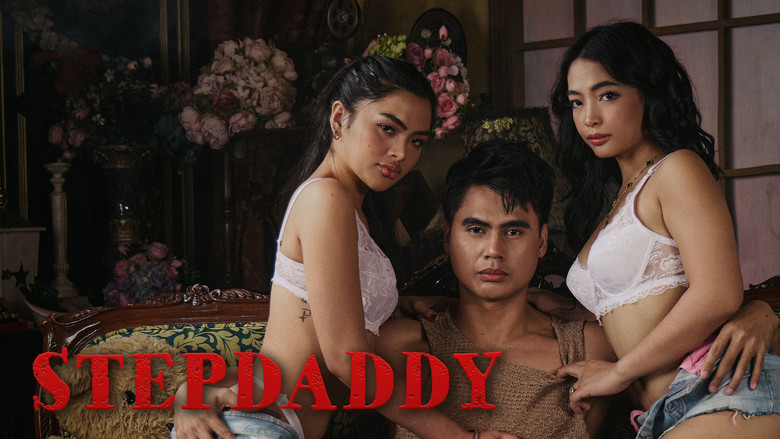
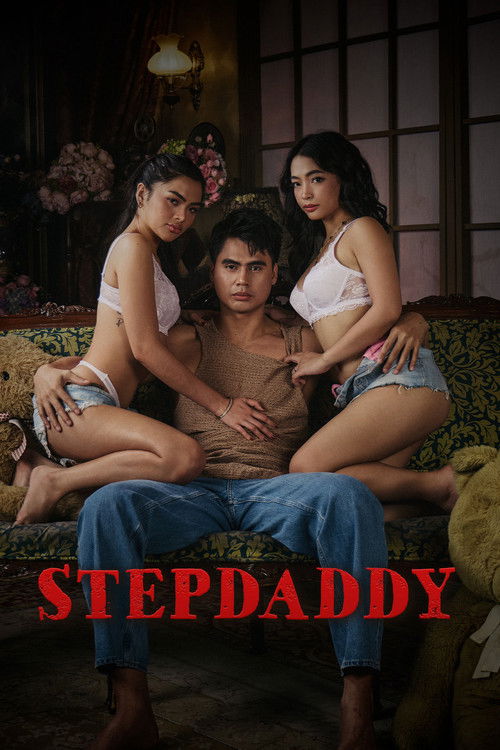
Stepdaddy centers on Chloe and Nica, sisters navigating the complicated emotional landscape of being attracted to the same man—their stepfather Carl. This isn't a slow-burn psychological thriller or a morality play with judgment built in. It's straight-up melodrama where family boundaries become the central conflict, and desire becomes the narrative engine driving everything forward. The film leans hard into the tension created when two people who share blood find themselves competing for affection in a space that's supposed to be safe and familial. It's provocative material, and the film doesn't flinch from that.
What The Trailer Actually Revealed
I watched the official trailer and immediately understood the film's tonal ambitions. The opening moments are surprisingly stylish—there's actual cinematography happening here, not just static shots of people talking. The color grading has this warm, almost seductive quality that immediately signals this isn't a conventional family drama. Everything feels slightly heightened, slightly more saturated than reality.
The trailer introduces the characters with deliberate pacing. You see Astrid Lee as one sister—there's this moment where she's looking directly at the camera with this expression that reads as defiant, almost challenging. Then there's Christy Imperial as the other sister, and the contrast between the two performances is immediately apparent. They're not playing identical emotional notes. One seems bolder, more willing to lean into what's happening. The other carries more uncertainty, more internal conflict visible on her face.
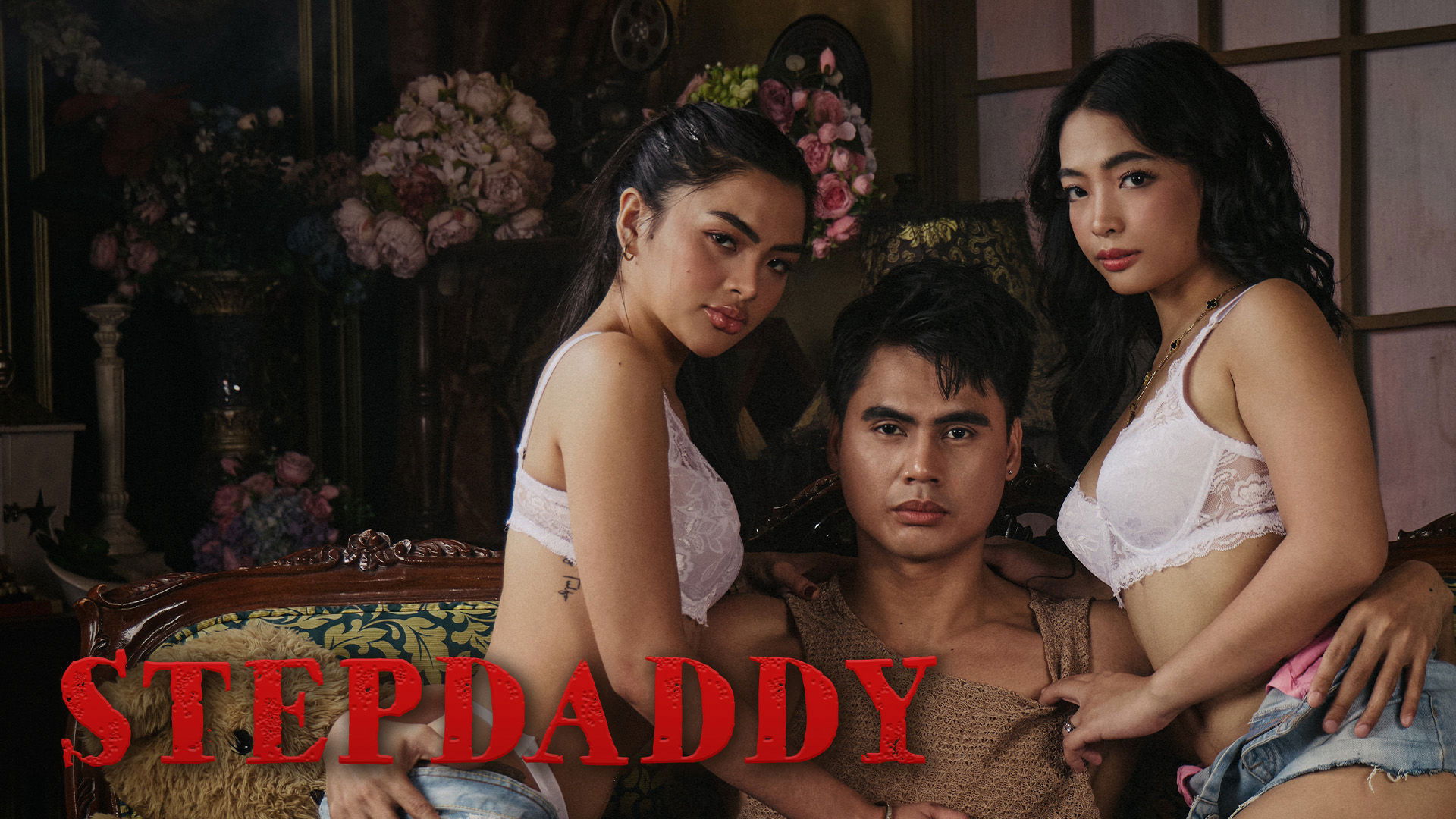
Then Carl enters the frame, and here's where the trailer gets interesting. Marlon Marcia plays him with this magnetism that you can almost feel through the screen. He's not portrayed as some predatory figure or obvious villain. He's charismatic, and the trailer makes sure you understand why both sisters might find themselves drawn to him. There's a moment where he's in a room with both of them, and the visual tension in that frame—the way the camera captures all three of them occupying the same space—communicates everything the film wants to say about the uncomfortable dynamic without needing dialogue.
The cinematography throughout the trailer leans into intimate framing. Close-ups on faces, lingering moments where you're watching characters process emotions rather than having them explained. The lighting creates shadows and highlights that suggest secrets, private moments, things happening just out of frame. It's technically competent filmmaking. Someone thought about how to shoot this material.
The music in the trailer is subtle—not blaring orchestration trying to manipulate your emotions. It's understated, which somehow makes the emotional stakes feel more real. There are moments of quietness, spaces where you're just watching characters breathe and react. Then musical cues swell just enough to emphasize key moments of tension or realization.
What The Film Actually Gets Right
The cast commits to the material without irony. Astrid Lee and Christy Imperial aren't playing this as camp or satire. They're treating it as genuine family drama with a taboo twist, which is honestly the only way this premise works. If the performances were winking at the audience, the whole thing would collapse into parody. Instead, they're selling the emotional reality of their characters' experiences.
Marlon Marcia brings a complexity to Carl that could easily have been one-dimensional in less careful hands. He's not a villain. He's not a saint. He's a character caught in a situation where he's being pursued by two women who share a family connection, and the film seems interested in his perspective too, not just the sisters' desire. That balance matters.
The cinematography deserves credit for treating the material with seriousness. This could have been shot like cheap exploitation content, all harsh lighting and trashy framing. Instead, it's lit with care. Scenes are composed with attention to visual storytelling. It's actually pleasant to look at, which might sound like strange praise for a film about this particular premise, but it genuinely matters.
The film also doesn't waste time with setup. It jumps into the central conflict immediately. You're not sitting through twenty minutes of exposition explaining how Carl became their stepfather or backstory about the sisters' relationship. The drama starts fast and maintains that momentum.
Where The Execution Falters
Here's where honesty kicks in: the novelty of the premise doesn't automatically translate to compelling storytelling. The central question—what happens when two sisters pursue the same person—is interesting, but the film needs to do more than just pose that question and watch the fallout. It needs to develop characters beyond their desire and family connection.
The script sometimes feels like it's checking boxes rather than exploring genuine emotional complexity. Scenes occasionally lack subtlety, spelling out conflicts rather than letting them breathe. In a film built entirely on interpersonal tension and emotional nuance, that's a real limitation. You want dialogue that reveals character through implication, not explanation. Some moments hit that mark. Others don't quite get there.
The supporting character work could be stronger. Beyond the central trio, the film doesn't give us much to latch onto. There are other family members, other people existing in this household, but they feel like set dressing rather than actual characters with their own stakes in the situation.
The Buzz Situation
Here's the reality: this film exists in a weird space. With zero votes on major platforms, there's no audience consensus yet. The premise is provocative enough to generate curiosity, but that same taboo element might limit mainstream viewership. The people who seek it out will likely either appreciate its boldness or find it off-putting. There's probably very little middle ground here.
What will probably resonate is the film's commitment to treating its controversial premise seriously. It's not trying to be shocking for shock value. It's exploring a genuinely complicated emotional situation, even if the execution doesn't always land perfectly.
Your Rating
"Bold premise, competent execution, occasionally clumsy emotional depth."
The Verdict
Stepdaddy is a film that swings for something ambitious and lands about three-quarters of the way there. It's not a masterwork of psychological drama, but it's also not the exploitation flick the title might suggest. If you're looking for serious actors engaging with taboo material in a cinematically thoughtful way, this delivers on that promise. If you need more conventional narrative structure or broader character development, you'll find the limitations frustrating.
Watch it if you appreciate films that refuse to play things safe, if you want to see actors commit fully to complicated material, or if you're just curious about how filmmakers approach genuinely provocative premise. Skip it if you're looking for subtle, layered psychological drama—this is more direct than that. Skip it too if the premise itself is automatically off-limits for you, because the film is definitely not sidestepping what it's about.
The film exists in that rare space where the premise does a lot of the heavy lifting, and sometimes that's enough. Not always, but sometimes.
Gallery