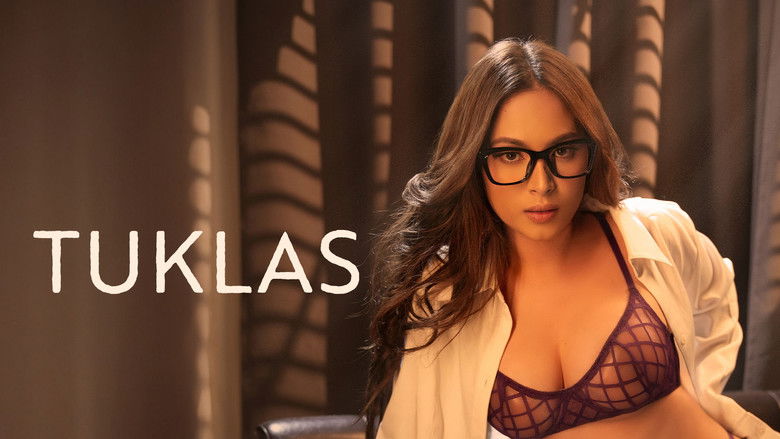
Tuklas: When Office Intrigue Gets Dangerously Intimate
Drama
70%User Score (2 votes)
Overview
What do you do when the person offering you everything is also the reason your career is hanging by a thread? Tuklas throws an IT officer straight into a minefield of desire and conscience, where exposing corporate corruption means sacrificing the one thing—or one person—he desperately wants. This Bisaya VMX original isn't your typical "good guy vs. bad guy" scenario, which is exactly what makes it worth paying attention to.
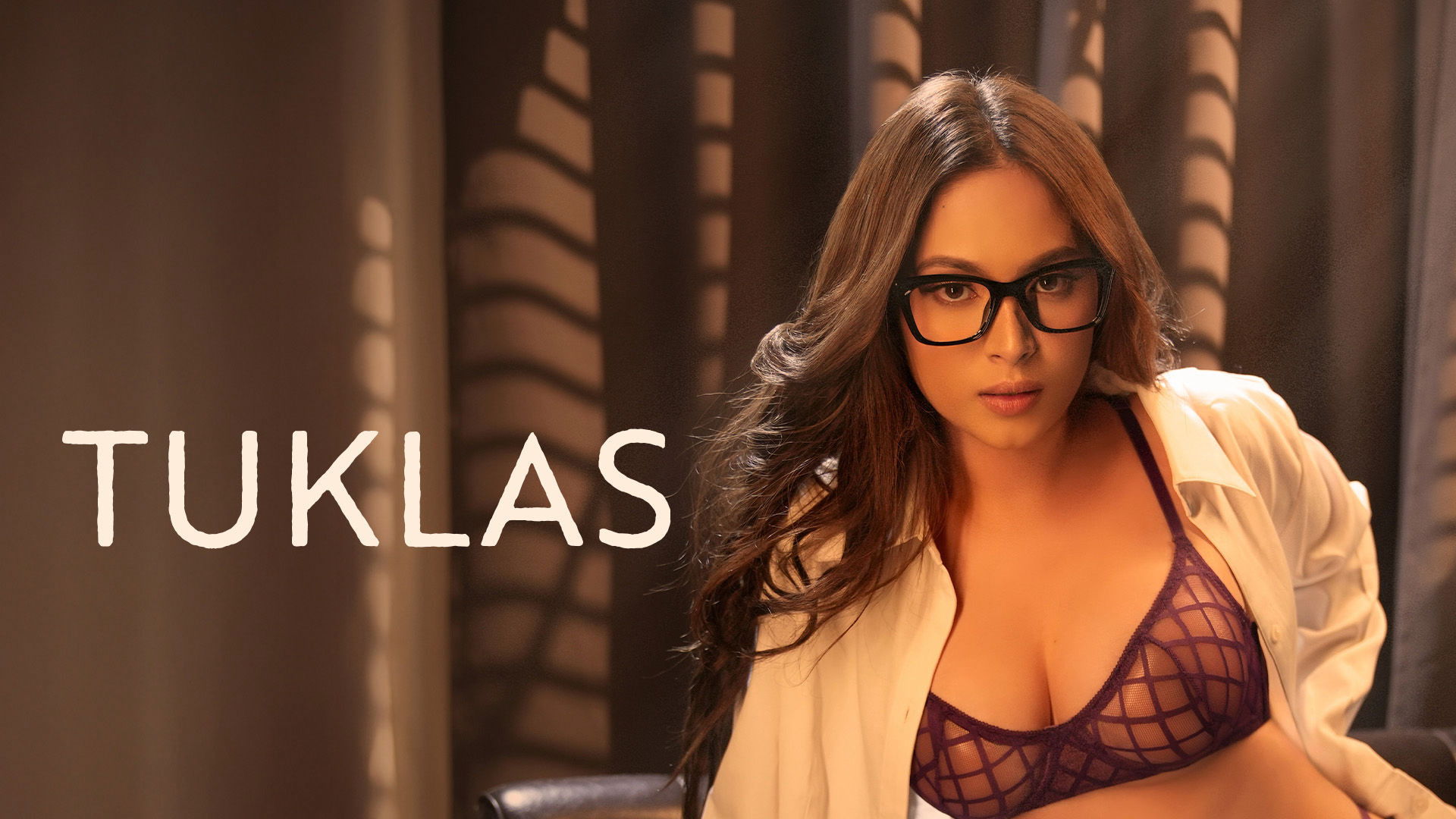
Watch Tuklas Full Movie
So What's Actually Happening Here
Chris Alvarado discovers financial misconduct at his workplace. Pretty standard corporate thriller setup, right? Except the twist isn't about catching the bad guys—it's about what Chris is willing to trade for silence. Enter Anna, a seductive sales manager who makes him an offer that's equal parts tempting and terrifying: keep quiet about the scandal, and she'll give him success, advancement, and access to something he clearly craves more than his own integrity. The film asks an uncomfortable question: when faced with a choice between doing the right thing and getting everything you want, what actually wins?
It's that psychological chess match that separates Tuklas from the standard white-collar crime drama. The conflict isn't external; it's entirely internal, playing out between two characters with competing agendas and undeniable chemistry.
The Official Trailer Gave Me Chills
I watched the trailer and immediately sensed where this film's head was at. The opening establishes corporate monotony—glass buildings, sterile offices, fluorescent lighting—and then introduces Chris moving through this landscape with this underlying tension in his movements. There's something almost hunting-like about how the cinematography tracks him. The color grading leans cool, lots of blues and grays, which amplifies that sense of emotional distance even when he's surrounded by people.
Then Anna enters the frame, and the temperature shifts. Literally. The moment she appears, the lighting becomes warmer, more intimate. There's this scene where she's approaching Chris at his desk, and the camera pulls in close—close enough that you feel the uncomfortable proximity, that invasion of professional space. The music swells just enough to make you anticipate something, but not quite enough to know what direction this is heading. That's smart filmmaking, using sound design to create anticipation without overselling it.
What really got me was the contrast between the corporate meeting scenes and the quieter moments between Chris and Anna. In the group shots, the cinematography keeps distance, uses wider angles. But when they're alone—in an elevator, at a bar, in what looks like a hotel—the framing tightens. The camera favors close-ups, shallow depth of field that blurs everything around them. You're forced into their intimate bubble whether you're comfortable there or not. That visual language communicates the seduction without needing explicit content.
Skye Gonzaga carries these moments with real control. She doesn't play Anna as an obvious femme fatale—that would be too easy. Instead, she's playing someone intelligent, someone who understands exactly what she's doing and why. There's a moment in the trailer where she's talking, explaining something to Chris, and her face shifts from almost vulnerable to coldly calculating. That's not a slip; that's Gonzaga showing you that Anna is operating on multiple levels simultaneously. She's not just trying to seduce Chris into compliance; she's actually enjoying the power dynamic.
The chemistry between the leads matters here because the entire film's tension depends on believing that Chris is genuinely torn. Chino Villaluna plays Chris with this exhausted quality—like someone who's already compromised himself in small ways and is just waiting for the moment when those small compromises add up to something irreversible. When he and Gonzaga share scenes, there's genuine friction, that awkward magnetic pull between attraction and self-preservation.
What Actually Works
The film's greatest strength is its refusal to simplify the moral landscape. Chris isn't a hero forced into corruption; he's someone already vulnerable to corruption who meets someone who understands his vulnerabilities perfectly. That's a riskier narrative than the standard "good man in bad situation" setup because it asks audiences to sit with a protagonist who makes increasingly difficult choices for increasingly selfish reasons. Chino Villaluna commits to that complexity without ever making Chris likeable in a conventional sense.
The cinematography deserves explicit credit here. Director of photography work shows real intention in every shot—the contrast between corporate sterility and intimate space is communicated visually rather than spelled out in dialogue. You're watching angles, lighting, and color grading do the heavy lifting that lesser films would hand off to exposition. That level of visual storytelling makes the film feel more sophisticated than its premise might initially suggest.
Skye Gonzaga's performance anchors everything. She makes Anna dangerous not through aggression but through genuine understanding of what Chris wants and her complete willingness to use that knowledge. There's intelligence behind her eyes in every scene, which makes her far more threatening than any villain who's just trying to achieve surface-level goals.
Where It Gets Complicated
Here's the tension: with only two votes on TMDB, it's genuinely difficult to assess how the film lands with broader audiences. The premise, while psychologically interesting, treads familiar territory—the seduction angle has been mined extensively in cinema. Whether Tuklas brings something fresh enough to justify a full viewing depends on how much you value character-driven internal conflict over plot mechanics.
The Bisaya language element is also worth noting as a distinct choice. Using a regional language rather than defaulting to English or Tagalog creates authenticity and regional specificity, but it also means the film exists in a narrower distribution lane. That's not necessarily a weakness, but it's worth acknowledging if accessibility is a consideration.
The Verdict
Tuklas seems designed for audiences comfortable with slow-burn psychological tension over action or plot twists. This isn't a film about stopping a scandal; it's about watching someone choose self-destruction in slow motion because they're willing to rationalize every step. If that interests you—if you can sit with morally ambiguous characters making increasingly questionable choices without needing redemption—then Tuklas offers something worth exploring.
A sharp psychological drama that lets silence do the talking
It's worth a watch if intricate character work and visual sophistication appeal to you more than traditional thriller beats. Skip it if you need your protagonists to earn your sympathy through struggle rather than through complicated self-interest.
Gallery