Winter Is Coming For Your Next TV Obsession: Game of Thrones Is Still The Game-Changer
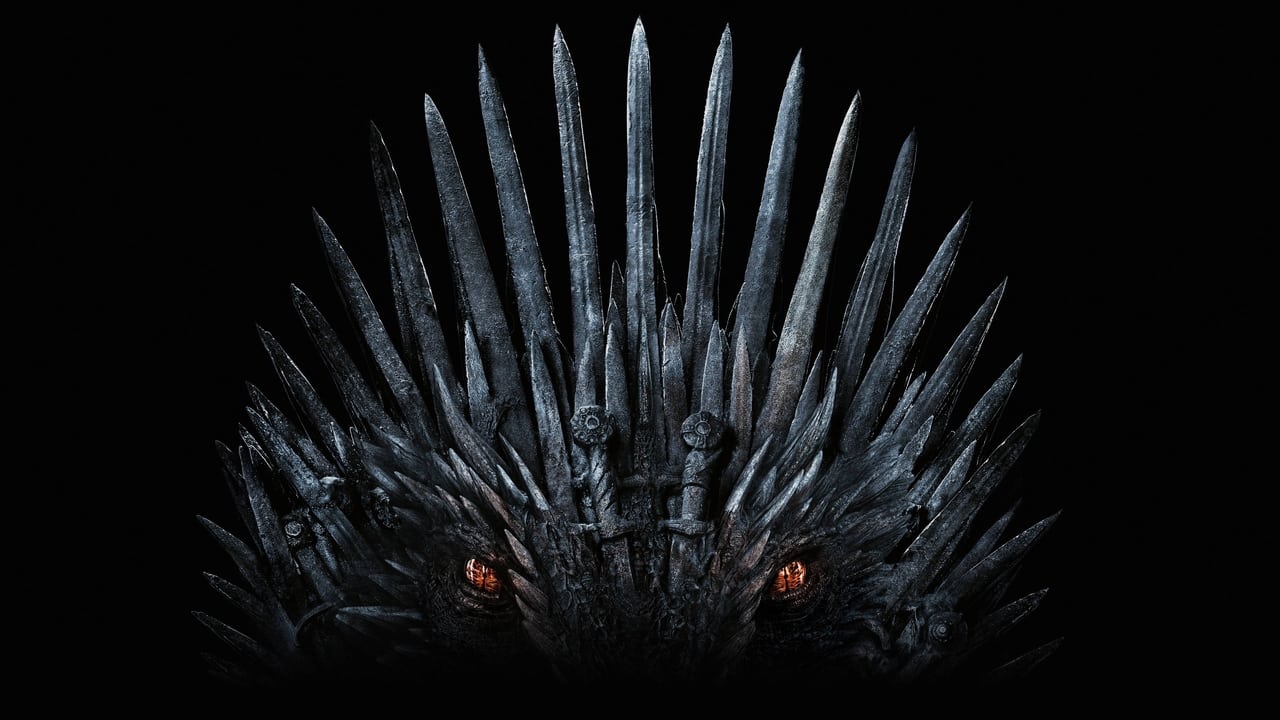
Remember when everyone and their grandmother was arguing about who would sit on that Iron Throne? Yeah, that phenomenon didn't happen by accident. Game of Thrones arrived in 2011 like someone threw a medieval fantasy bomb into the TV landscape, and honestly, nothing's been quite the same since—for better or worse, depending on which season we're talking about.
What Makes This Thing So Massive?
At its core, Game of Thrones is basically political chess played with swords, dragons, and a body count that would make any slasher film jealous. Seven noble families are constantly jockeying for control of Westeros while something genuinely terrifying stirs beyond the wall up north. The first episode throws you into this sprawling world where Jon Arryn (the King's right-hand man) is mysteriously dead, forcing King Robert Baratheon to convince his best friend Ned Stark to leave the North and become Hand of the King. Meanwhile, across the sea, the exiled Targaryen family is making dangerous deals to reclaim their throne. It sounds complicated because it absolutely is, but that's kind of the whole point.
The First Episode Hits Different
I fired up that pilot trailer and immediately understood why people got so hooked they'd camp out for midnight premieres. The opening moments establish this grimy, lived-in fantasy world that feels nothing like the sanitized Lord of the Rings aesthetic. The cinematography leans into cool grays and muted golds—this isn't a bright, magical fairytale. It's got the weight of winter in every frame. You watch Ned Stark discover those bodies north of the Wall, and the score swells with this building dread that never quite lets you breathe easy. Then it cuts to King's Landing, and suddenly you're in this ornate, corrupt palace where everyone smiles while sharpening knives behind their backs.
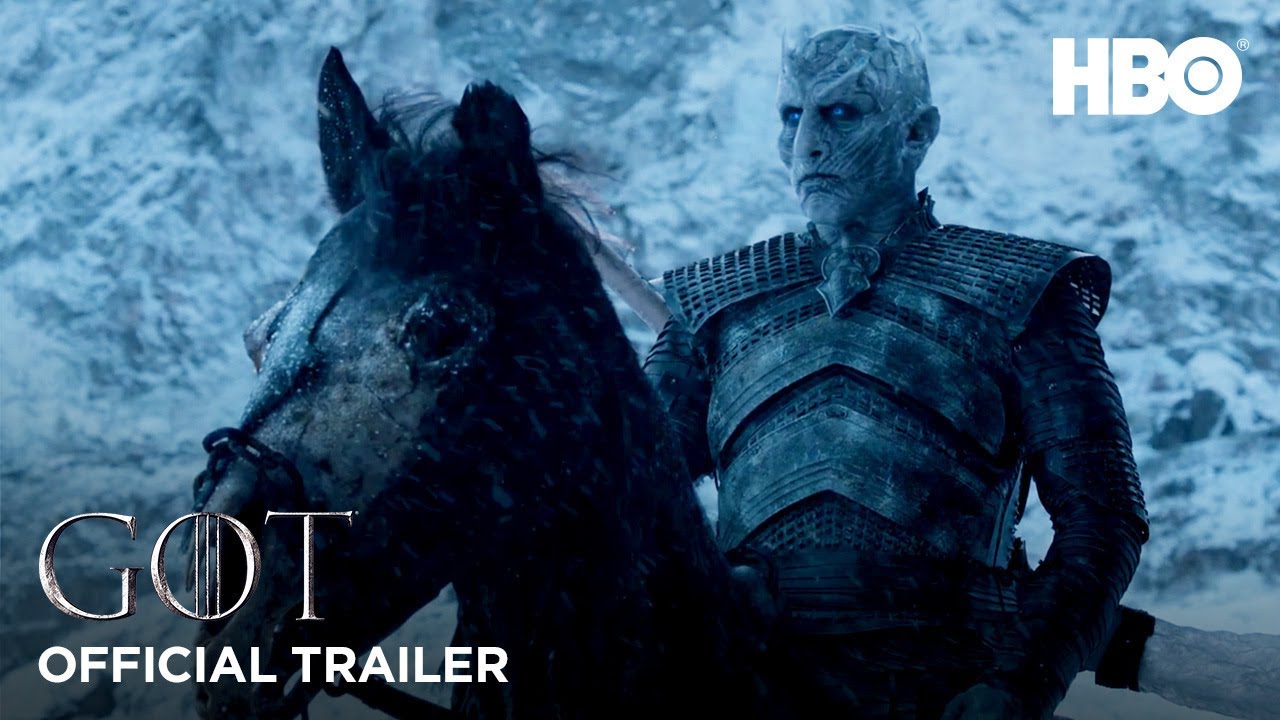
The trailer doesn't show you the dragon eggs yet or any of the fantasy elements that might turn you off if you're not feeling it. Instead, it sells the intrigue first. Lena Headey's face as Cersei flashes across the screen with an expression that somehow communicates two centuries of ambition and family dysfunction in one glance. Kit Harington as Jon Snow looks properly conflicted about his place in the world. Peter Dinklage as Tyrion—and this matters—immediately radiates charisma even in brief shots. The pacing in that trailer is deliberately slow, letting scenes breathe, establishing mood over action. By the time it ends, you get the sense that this show respects your intelligence enough not to explain everything. You're dropped into the deep end, and yeah, you might drown, but at least it'll be interesting.
What Actually Works Here
The casting is genuinely phenomenal, especially in those early seasons. Peter Dinklage transforms Tyrion from what could've been a one-dimensional comic relief character into someone with real agency and depth. His scenes crackle with wit and genuine pathos. Lena Headey plays Cersei with this calculated coldness that makes her terrifying without needing to raise her voice. Mark Ruffalo—wait, wrong show. I mean, the ensemble works because each actor brings a version of their character that feels lived-in and real, not like they're playing costumes.
The writing during the first four seasons is honestly excellent. It's faithful to George R.R. Martin's source material while making smart adaptations for television. The show doesn't hold your hand explaining the political machinations; it trusts you to follow along. That's refreshing in an era where shows often assume their audience needs constant exposition.
The scope of production is undeniable too. This show wanted to be cinematic, and for large stretches, it succeeds. Battle sequences feel genuinely earned rather than just spectacle. The sets feel lived-in, the costumes tell stories, and the way different regions look visually distinct helps you keep track of the sprawling plot.
Where Things Get Messy
Here's the problem everyone's talked to death: this show is built on source material that hasn't actually finished yet. George R.R. Martin hasn't published the final books, and the show eventually ran past the novels and had to make its own ending. Seasons 5 onwards? The quality noticeably dips. Characters start making decisions that feel out of step with their arcs. Plot lines get rushed. What made the early seasons brilliant—intricate political plotting and consequences that actually matter—gets replaced with spectacle and speedrunning toward a conclusion.
The ending especially becomes controversial. Without spoiling anything, let's just say a lot of viewers felt like the finale didn't earn what it was selling, and that's putting it diplomatically. Some people are still genuinely angry about it.
What People Are Actually Saying
The internet is split like a Lannister family dinner. Early seasons? People lose their minds praising them. The cast, the writing, the sheer ambition of adapting these massive books—fans genuinely loved it. Then Season 5 happened, and the discourse changed. You've got folks who stopped watching after Season 1, only to binge the whole thing years later and regret the last three seasons. Others claim the entire series is overrated despite being critically acclaimed. There's a decent chunk of viewers who watched all eight seasons and felt betrayed by how it wrapped up.
The fan wiki became a necessity for casual viewers because the number of houses, characters, and plot threads actually requires a family tree to track. That's either a mark of brilliance or a sign the show got too convoluted—depends who you ask.
Your Actual Verdict
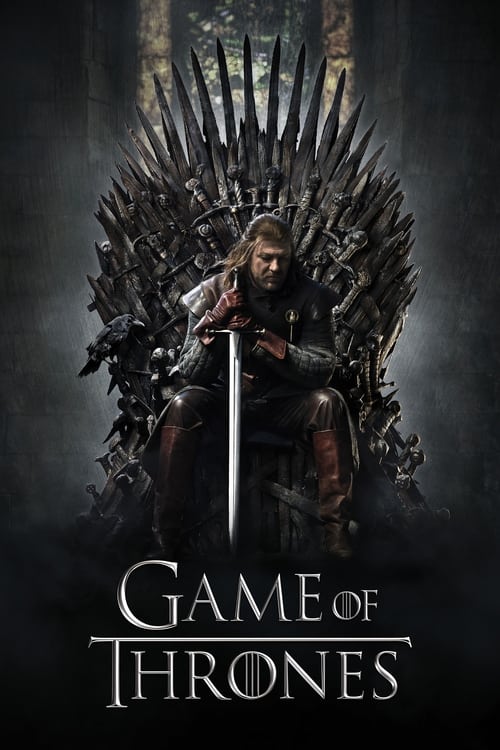
Not a masterpiece, but a genuinely compelling beast of a show that peaks brilliantly before stumbling hard.
Should you watch it? Absolutely if you love fantasy, political intrigue, and don't mind heavy themes. Start it knowing that the first four seasons are significantly better than what follows. If you can accept that the ending might disappoint you while still appreciating the journey, then Game of Thrones is worth your time. Skip it if you need narratives that neatly resolve their promises or if you can't handle morally gray characters doing genuinely awful things.
The real trick is remembering why you loved it in the first place when things go off the rails in the later seasons. That said, watching the early episodes unfold is still an event worth experiencing.
Where to Watch
You can stream it free here: https://terabox.com/s/1syXNTSpFLe-MEo9ukUeTxA